AGV Towing Mechanism Core Technology Analysis: Selection Strategies for Hook and Towline Systems

AGV Towing Mechanism Core Technology Analysis: Selection Strategies for Hook and Towline Systems

In large logistics hubs and manufacturing plants, tow-type AGVs function like “silent locomotives,” efficiently pulling multiple carriers via hook or towline mechanisms. The success of such AGVs hinges on the towing device’s ability to deliver reliable connection, precise disengagement, and impact resistance in complex environments. This article provides an in-depth analysis of the design principles and selection criteria for two mainstream towing mechanisms, empowering enterprises to build resilient logistics systems.


Towing Mechanism: The “Power Hub” for Multi-Carrier Operations

The core value of tow-type AGVs lies in their high-efficiency “one-to-many” transport mode, determined by three key capabilities:

1.Instant Coupling/Decoupling: Connect or disconnect trailers within 3 seconds (≤±5mm error).

2.Dynamic Impact Resistance: Withstand 30% overload shocks (e.g., sudden carrier stops).

3.Omnidirectional Adaptability: Operate on uneven terrain (e.g., 8° slopes, gravel paths).


Industry Challenge: A port AGV’s hook fractured due to vibration fatigue, causing a 10-ton container to overturn with losses exceeding ¥500,000.


Hook-Type Towing System: The Benchmark for Rigidity & Quick Release

Structural Innovation & Performance Limits

Hook mechanisms achieve high-reliability connections via mechanical latching and hydraulic damping:


Core Components:

High-strength alloy hook head (42CrMo, HRC 50-55 hardness).

Self-locking latch spring (anti-vibration force ≥1500N).

Hydraulic damper (absorbs 80% impact energy at 15-ton peak loads).


Technical Advantages:

Rapid connection: 3-second coupling/decoupling.

High load capacity: Max. towing force ≥10 tons.

Extended maintenance intervals: 500,000 cycles without structural wear.


Typical Applications:
Automotive assembly lines, airport baggage systems—any scenario requiring frequent, rapid coupling with standardized tow pins (Ø50mm/Ø80mm).


Towline System: Flexible Multi-Carrier Formation Solution

Revolutionary Design Value

Towline systems enable agile carrier formations via modular chain links and electromagnetic clutches:


Core Technology:

Alloy steel chain links (breaking strength ≥25kN), 200mm per section.

Electromagnetic clutch (auto-disengages in ≤0.5s during power loss).


Irreplaceable Advantages:

Dynamic formation: Single AGV tows 1–8 carriers (intelligent force distribution).

Tight-radius maneuvering: Minimum turning radius of 1.2m (vs. 3m+ for hooks).

Fault isolation: Backup links activate automatically if a section breaks.


Innovative Case:
In chemical warehouses, towline AGVs pull six 18-ton storage tanks in explosive environments. Distributed pressure sensors adjust node tension in real-time, maintaining 1.5m/s speed on curves.


Selection Decision Matrix: 5 Dimensions for Precision Matching

Focus on core parameters aligned with operational needs:

Dimension

Hook Preferred

Towline Preferred

Connection Target

Standard trailers (uniform pins)

Non-standard/mixed carriers

Towing Weight

≤15 tons (centralized load)

≤25 tons (distributed load)

Path Complexity

Straight/wide curves

Narrow lanes/multi-turn paths

Connection Frequency

≤20 times/hour

≥50 times/hour

Safety Priority

Mechanical anti-detachment

Instant electromagnetic separation (anti-tip)

Key Performance Verifications:

Fatigue tests: Hooks—200,000+ cycles; chain links—100,000+ bends.

Extreme environments: Special lubricants (-30°C); 316L stainless steel (corrosion).

Smart control: Towlines require CAN bus communication for real-time tension/temperature monitoring.


Professional Empowerment: Infusing Reliability into Your Towing System

Towing mechanism failures directly threaten safety and operational continuity. As an AGV core component partner, we deliver:
Scenario-Based Simulation:

Dynamics modeling (e.g., Adams) to predict hook stress points or chain bend fatigue.
Custom Component Development:

Dual-damping hooks (hydraulic + air) for ultra-heavy loads.

Universal chain links (±15° deflection) for high-frequency turns.
Lifecycle Management:

Smart monitors track cycles, impact peaks, and deformation for predictive alerts.

Quick-swap modules: Hook core replacement ≤15 min; chain section ≤5 min.


Act Now for Three Exclusive Services:

Complimentary Tractive Force Calculator: Input carrier weight/grade/acceleration to auto-generate force requirements and mechanism recommendations.

7-Day Prototype Test: Validate hook precision or towline stability in your environment.

Lifetime Technical Support: Engineer-guided installation, debugging, and root-cause analysis.


Every Tow Is a Transfer of Responsibility— Let our engineering excellence forge the safety bond for your logistics system.


AGV Conveyance Mechanism Selection Guide: Precision Matching of Roller, Belt, and Chain Systems

AGV Conveyance Mechanism Selection Guide: Precision Matching of Roller, Belt, and Chain Systems

In AGV automated handling processes, the conveyance mechanism acts as the “logistics hand,” enabling seamless transfer of goods between AGVs, production lines, and racks. Roller, belt, and chain—the three mainstream transfer systems—each offer distinct advantages. Their selection directly impacts handling efficiency and system compatibility. This guide analyzes core characteristics and selection logic to optimize logistics operations.


Conveyance Mechanism: The “Dynamic Interface” for AGV Transfer

As the physical interaction point between AGVs and external environments, conveyance mechanisms must fulfill three core functions:

1.Precise Positioning: Align with target stations within ≤±5mm error for smooth cargo transfer.

2.Efficient Transfer: Complete cargo handover in 3–15 seconds (size/weight-dependent).

3.Adaptive Compatibility: Handle diverse cargo types (cartons, pallets, irregular items).


Typical Challenge: An electronics factory suffered PCB misalignment due to belt slippage, causing 8 failed transfers per hour.


Core Technology Comparison of Three Conveyance Systems

1.Roller Conveyor: The Epitome of Rigidity & Efficiency

Structure:

Parallel alloy steel rollers (Ø50–120mm) with polyurethane anti-slip coating.

Motorized drum or external drive (torque ≥200N·m for 1.5-ton pallets).


Advantages:

High load capacity: Static 3 tons, dynamic 1.5 tons.

Ideal for standardized pallets (EU/JIS standards), transfer speed 0.3–0.8m/s.

40% lower maintenance cost than chains.


Best For: Palletized logistics (auto parts, chemical raw materials).


2.Belt Conveyor: Master of Flexible Handling

Design Innovations:

Anti-static PVC/PU seamless belts (3–8mm thickness) with non-slip textures.

Variable-frequency drive with ±0.05m/s speed accuracy.


Unique Value:

Vibration-free transfer: Protects fragile items (glass, instruments).

Handles non-palletized loads (soft packages, cartons, bins).

Incline capability (≤15°) for multi-floor transport.


Typical Use: Carton automation in electronics/medical warehouses.


3.Chain Conveyor: Fortress of Heavy-Duty Durability

Breakthroughs:

Dual-strand roller chains (ISO 606), breaking strength ≥30kN.

Sealed lubrication (IP65-rated) for dust/corrosion resistance.


Performance Limits:

Extreme loads: Dynamic 5 tons, static 8 tons (exceeding rollers/belts).

Withstands 120°C heat/oily environments (e.g., auto paint shops).

50,000+ hour lifespan (3× longer than belts).


Primary Domain: Heavy machinery, metal raw material handling.


Selection Decision Tree: 4 Dimensions to Optimize Choice

Based on 200+ AGV projects, we refined this selection logic:

Dimension

Roller

Belt

Chain

Cargo Type

Standard pallets/skids

Cartons/soft packages/non-pallet

Coils/molds/heavy equipment

Load Requirement

≤3 tons (dynamic)

≤1 ton

≥2 tons

Environment

Dry workshops

Cleanrooms/light moisture

Oily/high-temp/dusty areas

Precision

±5mm (requires stoppers)

±2mm (with alignment)

±10mm

Advanced Considerations:

Power: 48V DC motor (roller/belt) vs. 380V AC motor (chain).

Control: CANopen/EtherCAT support for speed-position sync.

Safety: E-stop interlock, anti-pinch guards, overload sensors.

Maintenance: Belt replacement (2 years), chain lubrication (6-month intervals).


Collaborative Innovation: Transforming Conveyance into a Competitive Edge

Conveyance mechanisms thrive on synergy between mechanical design, electrical response, and environmental adaptation. As an AGV core component partner, we deliver:


Scenario-Driven Customization:

For electronics: Magnetic navigation + belt alignment (≤1mm error).

For heavy industry: Hydraulic lift + dual-chain platforms (8-ton stable operation).


End-to-End Support:

Structural stress simulations to predict roller/chain fatigue.

Control protocol integration guides (1-hour compatibility with AGV controllers).


Lifecycle Management:

Quick-release modules (belt/roller swap ≤30 minutes).

Remote diagnostics for real-time motor temperature/load monitoring.


Request Your《AGV Conveyance Selection Checklist》& 3D Solutions— Our engineers will:

Analyze cargo traits and environmental challenges to identify the optimal system.

Supply custom components (anti-static belts, oil-resistant chains, low-noise rollers).

Deploy predictive maintenance to reduce lifecycle costs.


AGV Lifting Core Technology Analysis: Selection and Application of Scissor Lift vs. Lead Screw Lift Platforms

AGV Lifting Core Technology Analysis: Selection and Application of Scissor Lift vs. Lead Screw Lift Platforms

In intelligent logistics systems, the lifting component of an AGV directly determines its ability to handle heavy loads and ensure safety. As a core functional module, scissor-type and lead screw-type lift platforms work synergistically with the baseplate load-bearing system, lifting transmission mechanisms, and intelligent control boards to achieve precise vertical movement and positioning of heavy objects. This article provides an in-depth analysis of the design principles and selection criteria for these two mainstream lifting mechanisms, empowering enterprises to optimize AGV performance.


Lifting Mechanism: The “Core Joint” for AGV Heavy-Duty Handling

The AGV lifting component serves not only as the physical load-bearing unit but also as the critical actuator linking the navigation system to operational tasks. Its core consists of three parts:


1.High-Strength Baseplate: Directly supports heavy loads (e.g., automotive battery packs, machine parts), requiring impact and deformation resistance. Materials typically include manganese steel or aluminum alloy.


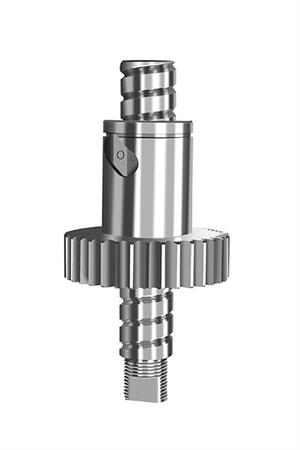
2.Scissor/Lead Screw Transmission Mechanism: Converts motor torque into vertical lifting force. Scissor lifts rely on hinge expansion, while lead screw lifts drive motion via nut linear movement.


3.Integrated Control Board: Monitors height and load status in real-time, communicates with the AGV main controller, and enables speed adjustment and emergency stop protection.


Typical Scenario: In automotive assembly lines, lifting 3-ton battery packs for precise docking (±1mm accuracy) with vehicle bodies, while resisting motion impacts of 15mm/s².

Scissor Lift Platform: Preferred for Long-Stroke Heavy-Duty Handling

Structural Features & Advantages

Scissor mechanisms achieve lifting through multi-layer cross-arm expansion, emphasizing force transmission efficiency and stability:

Load Capacity: Rated loads exceed 3 tons. Arms use rectangular manganese steel tubes (e.g., Q345B) with reinforced anti-deformation designs at hinge points.

Stroke Range: Lifting heights of 0.8–1.5m (common for AGVs), extendable up to 6m.

Drive Method: Hydraulic cylinder (traditional) or ball screw (modern), with the latter eliminating hydraulic leakage risks for enhanced sustainability.


Typical Applications

Ideal for automotive engine assembly and warehouse pallet transfer where large height adjustments are needed. Its foldable structure compresses initial height to 600mm, saving AGV chassis space.


Lead Screw Lift Platform: Synonymous with Precision & Self-Locking Performance

Technological Breakthroughs & Value

Lead screw mechanisms convert rotary to linear motion, achieving “zero-drift” self-locking through lead angle design:

Precision Control: Repeatable positioning accuracy of ±1mm, far surpassing hydraulic systems.

Self-Locking Reliability: When lead angle λ < equivalent friction angle ρ′ (e.g., λ=3.77°, ρ′=5.33°), position is maintained during power loss without additional brakes.

Efficiency Gains: Ball screw transmission efficiency reaches 80%, reducing energy consumption by 50% compared to trapezoidal threads.


Innovative Design Case

A patented solution optimizes torque output via gear reducers while limiting screw transmission efficiency to <50%, ensuring self-locking while minimizing motor power consumption and extending AGV runtime.


Key Selection Parameter Guide: Matching Scenario Requirements

Selection must balance load, precision, and environmental factors to avoid “over-engineering” or “underperformance”:

Parameter

Scissor Lift Preferred

Lead Screw Lift Preferred

Load Range

1–3 tons (heavy industry)

0.3–1.5 tons (precision assembly)

Positioning Accuracy

±5mm–±10mm

±1mm (docking processes)

Lift Height

>800mm

<800mm

Self-Locking Need

Medium (hydraulic needs locks)

High (passive safety)

Environment

Dust/oil resistance

Cleanrooms/contamination-sensitive areas

Other Critical Considerations:

Power Configuration: 48V lithium battery; motor power 1.1–1.5kW (2733N·mm torque required to lift 1 ton).

Structural Protection: IP54 dust/water resistance, anti-vibration design (especially scissor pin lubrication and screw dust covers).

Control Compatibility: CAN bus communication; real-time height feedback via integrated displacement sensors.


Professional Collaboration: Custom Lifting Solutions for Your AGV

Scissor and lead screw lifts each offer irreplaceable advantages. Details like baseplate rigidity, scissor fatigue strength, and control board responsiveness directly impact system lifespan and safety. As an AGV core component supplier, we provide:

Scenario-Based Selection: Recommend optimal mechanisms and materials based on your load, stroke, and precision data.

Custom Component Development: Design reinforced scissors or sealed screw modules for extreme conditions (e.g., cold storage, explosion-proof workshops).

Full Lifecycle Support: Offer structural stress simulations, wear-part replacement guides, and control protocol integration.


Empower Your AGV With Reliable Load Handling— contact our technical team today for custom lift solutions and 3D design prototypes!

Safe Lifting, Precise Positioning: We safeguard every move with engineering expertise.


AGV Safety Guardian: The Core Value and Selection Guide for Independent Safety PLCs/Relays

AGV Safety Guardian: The Core Value and Selection Guide for Independent Safety PLCs/Relays

On the busy logistics lines of modern smart factories, AGVs (Automated Guided Vehicles) tirelessly shuttle like “porters,” operating with high efficiency. However, when personnel approach, unexpected obstacles appear on the path, or the system itself malfunctions, how can we ensure these high-speed moving devices stop safely in an instant to avoid collision injuries? The core safeguard lies in an independent safety circuit system, where the Safety PLC (Programmable Logic Controller) and Safety Relay act as the “brain” and “nerve center” of this system.


Why Must It Be “Independent”? The Lifeline of the Safety Circuit
Unlike the main control system governing AGV movement and navigation, the circuit formed by the Safety PLC/Relay is designed as a physically and logically separate “safety island.” Its mission is singular and noble: in the event of danger (such as personnel intrusion, equipment failure, overspeeding, communication loss), to cut off the AGV’s power supply (motor drive) within milliseconds, forcing it to a safe stop.


Fail-Safe Principle: This is the cornerstone of safety design. Even if the safety circuit itself fails (e.g., welded contacts, short/open circuits, internal component failure), its design ensures the final state defaults to “safe” (power cut off), not an unpredictable dangerous state. For example, safety relays use positively guided contacts to ensure normally open (NO) and normally closed (NC) contacts cannot be closed simultaneously.


Redundancy and Self-Testing: Safety PLCs/Relays commonly employ dual-channel (or even multi-channel) designs. Two independent signal processing paths work simultaneously, continuously performing cross-comparison and self-diagnostics. Any detected internal inconsistency or external safety signal anomaly (e.g., safety light curtain triggered, emergency stop pressed) immediately triggers the disconnection of safety outputs.


Mitigating Main System Failure Risk: The main control system might fail due to software bugs, complex logic issues, or overload. The independent safety circuit remains unaffected, dedicated solely to safety duties, providing the highest level of reliability.


Selection Key: Building a Reliable Safety Barrier for Your AGV
Choosing the right safety PLC or relay for an AGV is not a simple parameter comparison; it requires a comprehensive assessment of safety needs and the operating environment:

1.Define Required Safety Level (PL/SIL):

Based on risk assessment (ISO 12100, ISO 3691-4), determine the required safety performance level (Performance Level, PL per ISO 13849) or Safety Integrity Level (SIL per IEC 62061) for your AGV application.

Typical Requirement: The safety circuits (e.g., emergency stop, safety doors, area scanning) for most industrial AGVs need to achieve PL d / SIL 2 or higher (e.g., PL e / SIL 3). Selected devices must be certified to meet the target level.


2.Response Time Requirement:

The total response time of the safety loop – from detecting a hazardous signal to completely cutting power – must be fast enough to ensure stopping within the AGV’s braking distance. Consider the response times of safety sensors (e.g., laser scanners), safety controller processing, relay disengagement time, and contactor/drive response time. Faster response times mean higher safety.


3.Input/Output (I/O) Requirements:

Safety Input Points: How many safety signal sources need monitoring? (Emergency stop buttons, safety light curtains/laser scanners, safety mats, zone door locks, two-hand controls, etc.).

Safety Output Capacity: How many safety contactors or safety drive enable inputs need controlling? Does the output type (relay contact, solid-state output) match the downstream equipment? Is the output current capacity sufficient?


4.Functional Complexity Needs:

Safety Relays: Suitable for relatively fixed logic, few input points (e.g., only emergency stop + 1-2 safety sensors), and simple safety functions. Configuration is achieved via hardwiring.

Safety PLCs: Suitable for complex logic, numerous input points, scenarios requiring flexible programming (e.g., zone switching, speed monitoring, safety interlock logic), diagnostic data logging, or network communication (integration with higher-level systems). They offer greater flexibility and scalability.


5.Environmental Suitability:

AGVs often operate in factory environments. Consider if the device’s protection rating (IP rating, dust/water resistance), operating temperature range, vibration resistance, and electromagnetic compatibility (EMC) meet the actual operating conditions.


6.Certification and Compliance:

Ensure selected devices possess certification from recognized bodies (e.g., TÜV Rheinland/SÜD, UL) confirming compliance with relevant international safety standards (e.g., IEC 61508, IEC 62061, ISO 13849). This is the cornerstone of safety function effectiveness.


7.Diagnostics and Maintenance Ease:

Good diagnostic functions (e.g., LED status indicators, detailed fault codes, communication interfaces for remote diagnostics) enable quick fault location, reducing downtime and improving system availability.


Responsibility for Safety: Let Professionalism Be Your Support
Independent Safety PLCs/Relays are the “lifeline” for safe AGV operation. Their selection and application directly impact personnel safety, equipment assets, and operational efficiency. Faced with diverse product specifications, stringent safety standards, and complex application scenarios, seeking professional partners is crucial.


We specialize in providing high-performance, highly reliable safety circuit solutions and core components for various AGVs. Whether you are in the design phase of a new vehicle model or need to upgrade/optimize the safety system of existing AGVs, our technical team can provide you with:


Professional risk assessment and safety level recommendations

Targeted Safety PLC/Relay selection advice

Application guidance compliant with international standards

Timely and reliable technical support and service


Safety is Paramount; Your Choice Determines Protection. Contact our expert consultants immediately. Let us deeply understand your AGV application scenarios and safety challenges, and together build an unbreakable safety protection system, driving both efficiency and peace of mind in intelligent logistics.


AGV Intelligent Warning Systems: Critical Safeguards for Safe Operations

AGV Intelligent Warning Systems: Critical Safeguards for Safe Operations

Behind the seamless flow of automated logistics, AGVs (Automated Guided Vehicles) function as tireless steel lifeblood, navigating factories and warehouses. Ensuring their safe, reliable operation—especially in complex human-robot environments—demands intelligent warning systems that serve as both safety essentials and communication bridges. Among these, three-color warning lights and audible-visual alarms (including buzzers and motion music modules) play pivotal roles.


Core Warning Devices Explained

1.Three-Color Warning Lights: Visual Status Language

Function: Instantly communicates AGV status/intent via universal color signals:

Red: Emergency stop, critical failure (highest priority).

Yellow: Deceleration, path adjustment, standby (caution advised).

Green: Normal operation, safe passage (all-clear signal).


Advantages: Intuitive messaging, high visibility (even in complex lighting), globally recognized safety coding.


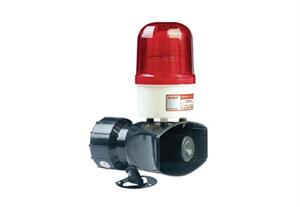
2.Audible-Visual Alarms: Dual-Sense Alerting

Function: Combines bright flashing lights with high-decibel sounds for urgent alerts in noisy/low-visibility areas.

Key Components:

Buzzers: Sharp, standardized tones (e.g., “beep-beep-beep”) for immediate warnings:

Emergency stops

Obstacle proximity

Critical failures


Motion Music Modules: Programmable melodic tones for non-critical alerts:

Background travel notices (“Caution, vehicle approaching”)

Task completion alerts

Low-priority reminders


Advantages: Unmissable alerts (sound + light synergy), broad coverage, human-friendly audio profiles.


Scientific Selection: Matching Solutions to Your AGV

Choosing warning devices requires balancing safety, efficiency, and environmental experience. Key selection dimensions:

1.Scenario & Regulatory Compliance (Priority)

Noise Levels:

Loud workshops: ≥120dB alarms

Quiet labs: Motion music modules


Human-Robot Density:

Mixed zones: Three-color lights + buzzers (mandatory)

Isolated routes: Simplified setups


Safety Standards:

Mandatory compliance with EN ISO 13849, ANSI/ITSDF B56.5 (governing colors, sound patterns, brightness, volume).


2.Core Performance Alignment

Voltage & Power: Match AGV power systems (e.g., 24V/48V DC) and minimize drain on battery life.


IP Rating:

Indoor/dry: IP54

Dusty/humid: IP65+

Outdoor/harsh: IP67/IP69K


Visibility/Audibility:

Lights: High brightness (lumens/candela), wide viewing angles.

Alarms: Clear dB @ distance, distinct tones (buzzers) or melodies (music modules).


Mounting: Fit AGV chassis space (top/sides) and interface (screw holes/clips).


Beyond Accessories: Safety System Nerve Endpoints

Three-color lights and audible-visual alarms are not mere “add-ons”—they form the nervous system of AGV safety, enabling efficient human-robot collaboration. Understanding your operational challenges is key to effective investment.


Seeking Precision-Matched Warning Solutions?
We deliver full-range AGV safety devices:

Comprehensive Portfolio: Three-color lights, high-performance buzzers, customizable motion music modules.

Compliance: International safety standards adherence.

Integration & Support: Flexible solutions + expert guidance.


Equip Your AGVs with Intelligent Awareness!
Contact us for safety-certified, scenario-optimized warning systems.


AGV’s Safety Lifeline: Comprehensive Guide to E-Stop Button Selection & Application

AGV’s Safety Lifeline: Comprehensive Guide to E-Stop Button Selection & Application

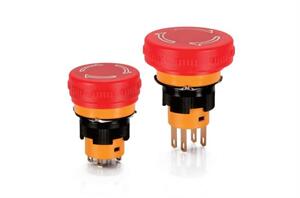
E-stop buttons serve as AGVs’ “critical kill switches,” providing millisecond hardware power cutoff during emergencies. Compliant with ISO 13850, they deliver fail-safe protection when personnel or equipment is at risk. This guide explores e-stop technology and selection logic for uncompromising AGV safety.


Core Value: Zero-Delay Hardware Protection

Absolute Reliability

Direct mechanical cutoff: Severs motor circuits in ≤20ms (5x faster than PLC signals).

Safety certifications: EN ISO 13849 PL e / SIL 3 compliant.


Human-Machine Safety Assurance

Emergency avoidance: Instantly halts AGVs heading toward people/equipment.

Fault isolation: Prevents secondary damage (motor overloads, battery shorts).


Key Technical Features

1.Contact Structures

Type

Advantage

Best For

Dual-channel NC

Redundant; single-fault tolerant

Heavy AGVs/high-risk zones

Latching contacts

Mechanical lock after trigger

Manual reset scenarios

2.Ergonomic & Protective Design

Anti-accidental press: ≥40mm mushroom head; 5N+ activation force.

Reset mechanisms: Twist-release / pull-reset / key-release options.


3.Environmental Resilience

IP67/IP69K: Resists pressure washing and oil ingress.

Corrosion resistance: Stainless steel housing + silicone seals.


Precision Selection Guide

1.Safety Level Alignment

Risk Scenario

Requirement

Solution

Light warehouse AGVs

PL c

Single contact + twist-reset

Human-robot zones

PL e / SIL 3

Dual contacts + key-reset

Explosive atmospheres

ATEX certification

Flameproof housing

2.Mechanical Endurance

1 million cycles (gold-plated contacts).

IK10 impact rating (withstands 20J impacts).


3.Mounting & Visibility

Control panel: Flush-mounted (Φ40mm) to prevent snagging.

AGV sides: Pendant-mounted for multi-angle access.

Hazard zones: Models with LED indicators for low-light visibility.


4.Electrical Compatibility

Voltage range: 24VDC–480VAC.

Interfaces: Dry contacts or PROFIsafe/CANopen Safety.


Critical Avoidances:

Reject non-CE/UL certified buttons.

Avoid reset force <3N to prevent vibration-induced resets.


Scenario-Based Solutions

AGV Type

Solution

Key Value

Warehouse AMRs

Φ40mm latching + IP67

Prevents accidental presses

Chemical plant AGVs

Dual-channel + ATEX

Explosion-proof safety

Outdoor logistics AGVs

Wide-temperature (-40°C) with heating

Reliable operation in freezing


Incident-Free AGV Operations

E-stop selection forms the final barrier in AGV safety systems. From cost-effective single-contact buttons to explosion-proof dual-channel solutions, precise matching enables zero-incident operations.


Seeking Certified E-Stop Buttons for AGVs?
We provide:

Full-Scenario Options: IP69K/ATEX/wide-temperature models (SIL 3/PL e certified).

Customization:


Voltage/interface tailoring (24V–480V; dry contacts/PROFIsafe)

Mounting adapters (flush/pendant/magnetic)

Alert expansions (audible alarms + remote status)

Lifecycle Support: Safety validation → maintenance.


Fortify Your AGVs with Critical Protection!
Contact our team for tailored solutions.


Core Value:

Scenario-Driven Design – Buttons optimized for risk level, environment, reset logic.

Industrial Reliability – IK10 impact rating, 1M+ cycle endurance.

Seamless Integration – Direct hardware cutoff + safety bus compatibility.


AGV’s Ultimate Armor: Comprehensive Guide to Safety Bumper Selection & Application

AGV’s Ultimate Armor: Comprehensive Guide to Safety Bumper Selection & Application

Safety bumpers serve as AGVs’ “tactile sense,” providing zero-delay collision response as the final physical barrier. Upon contact with obstacles, bumpers trigger emergency stops within 10ms to prevent equipment damage and injuries. This guide explores bumper technology and scenario-based selection for fail-safe AGV safety systems.


Core Value: Millisecond-Response Physical Barrier


Unmatched Mechanical Reliability

Zero electronics: 100% effective in EMI/dust/oil where sensors fail.

Instant reaction: ≥5N pressure cuts motor power in 10ms (EN ISO 13849 PLd compliant), 3x faster than electronic sensors.


Full-Perimeter Protection

Flexible strips bend to AGV contours (50mm min. radius), covering front/sides/forks.

Zoned triggering: Front contact stops AGV; side contact alerts only.


Key Technology Breakdown

1.Triple-Layer Construction

Layer

Function

Technical Highlights

Outer sheath

Wear/cushioning

PU/PVC; >30MPa tear strength

Pressure dispersion

Impact distribution

Diamond-pattern honeycomb structure

Core switch

Emergency stop

Gold-plated contacts; >1M cycles

2.Smart Upgrades

CANopen/EtherCAT output: Sends collision location/force data for incident analysis.

Self-diagnostics: Alerts for cracks/aging to prevent failure.


Precision Selection Guide

1.Mechanical Performance

Parameter

Light AGVs

Heavy AGVs

Trigger force

5–15N

20–50N

Reset force

≤3N

≤8N

Impact resistance

IK08 (5J)

IK10 (20J)

2.Environmental Resilience

Chemical zones: EPDM rubber (acid/solvent resistance).

Freezers: Silicone (-60°C flexibility).

Food/pharma: FDA-certified white PU (non-contaminating).


3.Electrical Interface

Basic: Dry contact for direct motor cutoff.

Smart: PROFIsafe/CANopen Safety for real-time collision mapping.


4.Mounting Reliability

Embedded rails: Aluminum + anti-vibration locks.

Quick-swap: Tool-free replacement in <3 minutes.


Critical Avoidances:

Reject >85 Shore A hardness: Low-temperature sensitivity drops 40%.

Avoid non-reset designs: Speed bumps cause false stops.


Scenario-Based Solutions

AGV Type

Solution

Key Value

Warehouse AGVs

25mm narrow strip + 50N force

Prevents rack collisions

Heavy forklift AGVs

Dual-row redundant + bus output

Withstands inertia; logs impacts

Cleanroom AMRs

FDA white bumper + IP69K

GMP sterile environments


Building Absolute AGV Safety

Bumper selection underpins collision-free logistics. From cost-effective mechanical stops to smart tactile systems, scenario-aligned solutions achieve “zero impact” goals.


Seeking Reliable Safety Bumpers for AGVs?
We provide:

Full-Scenario Coverage: PU/PVC/silicone/EPDM (-60°C to 120°C).

Smart Interfaces: Dry contact/CANopen Safety/PROFIsafe.


Customization:

Curved contour cutting

Multi-zone triggering (stop/alert)

Vibration-optimized mounts

Lifecycle Support: Installation → aging monitoring.


Fortify Your AGVs with Ultimate Physical Protection!
Contact us for tailored solutions.

Core Value:
Scenario-Driven Design – Optimized for AGV contours, impact forces, environments.
Industrial Reliability – IK10 impact rating, 1M+ cycle lifespan.
Seamless Integration – Quick-connect electrical interfaces.


AGV’s Safety Barrier: Ultrasonic Collision Sensor Selection & Application Guide

AGV’s Safety Barrier: Ultrasonic Collision Sensor Selection & Application Guide

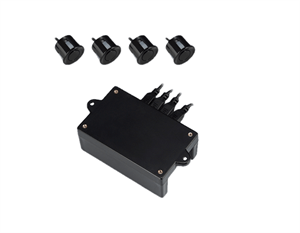
Ultrasonic collision sensors serve as AGVs’ “invisible shields,” triggering real-time slowdowns or emergency stops to ensure human-machine safety and operational stability. Their unique sound-wave reflection principle and environmental resilience make them essential for industrial collision avoidance. This guide explores ultrasonic sensor selection for reliable AGV safety systems.


Core Functions: From Detection to Emergency Braking

Precision Ranging & Graded Response

Operating Principle: 40–50kHz ultrasonic waves measure obstacle distance via Time-of-Flight (ToF), achieving ±1cm–±5cm accuracy (unaffected by color/transparency).


Safety Zones:

Warning Zone (e.g., 1.5m): AGV auto-decelerates.

Danger Zone (e.g., 0.5m): Triggers ≤100ms emergency stop.


Environmental Resilience

Immune to light/rain/dust; IP65/IP67 rating withstands oil splashes and water immersion.

Operates at -40°C to 85°C (freezers/high-temperature workshops).


Key Technical Advantages

1.3D Coverage:
Conical beam (±35°–180° horizontal; ±15°–45° vertical) detects low obstacles (forks/puddles), complementing LiDAR blind spots.

2.Vibration Immunity:
Mechanical decoupling design eliminates false triggers from AGV motor vibrations.

3.Multi-Sensor Synchronization:
Auto-sync prevents cross-interference in dense AGV fleets.

4.Transparent Object Detection:
Reliably senses glass/mirrors/liquids (>90% better than optical sensors).


Precision Selection Guide

Critical Parameters by Scenario

Parameter

Light AGVs

Heavy/Outdoor AGVs

Key Consideration

Range

0.1–3m (diffuse)

0.2–5m (transceiver)

Test low-reflectivity objects (e.g., black rubber)

Environment

IP65

IP67 + wide-temperature

Self-cleaning lens for oily environments

Response

≥25Hz refresh rate

≥50Hz + 30ms reaction

High-speed AGVs (>1m/s) need faster sampling

Integration

Digital output

CAN/RS485 + IO-Link

Real-time obstacle coordinates to scheduler

Selection Pitfalls to Avoid:

Verify low-reflectivity (<10%) performance with test reports.

Prioritize open protocols (CANopen/EtherCAT) over proprietary systems.

Use ultrasonic + mechanical bumper redundancy for heavy AGVs.


Scenario-Based Solutions

Warehouse Sorting AGVs: Diffuse sensors (3m range, IP65) – <1% false alarms.

Port Container AGVs: Transceiver sensors (5m range, IP67/-40°C) – resists rain/fog/salt corrosion.

Flexible AMRs: 3D ultrasonic modules (180° coverage) – outputs point cloud data for SLAM fusion.


Building All-Weather AGV Safety

Ultrasonic sensor selection balances safety and efficiency. From compact warehouse solutions to 3D acoustic perception for smart factories, scenario-aligned designs ensure 24/7 protection.

Seeking Robust Ultrasonic Sensors for AGVs?
We provide end-to-end solutions:


Full Protocol Support: IO-Link, CAN, PROFINET for PLC/scheduler integration.


Rugged Design: IP67 housing, -40°C to 85°C operation, 5Grms vibration resistance.


Customization:

Angle/range optimization

Multi-stage alert thresholds

Embedded/bracket mounting


Lifecycle Support: Tuning → diagnostics.


Equip Your AGVs with Intelligent Sensing!
Contact us for tailored solutions.


Core Value:Scenario-Driven Architecture – Optimized for AGV speed, obstacle types, EMI.
Industrial Reliability – 100,000-cycle lifespan; 50G shock resistance.
Open Integration – Protocol SDKs and debugging tools.


AGV’s Invisible Shield: Infrared Collision Sensor Selection & Application Guide

AGV’s Invisible Shield: Infrared Collision Sensor Selection & Application Guide

Infrared collision sensors serve as AGVs’ “invisible shields,” enabling non-contact obstacle detection to ensure human-machine safety and operational stability. Their selection directly impacts AGV reliability in complex environments. This guide explores infrared sensor technologies and scenario-based selection strategies.


Core Functions: AGV’s First Safety Line

Precision Detection & Real-Time Response

Detection range: 0.1–5m (diffuse) or 5–30m (through-beam).

±2mm accuracy; ≤0.5ms response time for AGVs ≥1m/s.

94% faster than ultrasonic sensors in narrow aisles.


Environmental Resilience

EMI-resistant design for motor/VFD-dense areas.

IP65/IP67 rating; -30°C to 70°C operation.


Sensor Types: Active vs. Passive

1.Active Infrared: Industrial Workhorse

FM/PWM modulation; >100,000 Lux light immunity.

Multi-output (digital/analog/bus); configurable zones (e.g., 5m warn/3m stop).

Best for: AGV collision avoidance, forklift aisle monitoring.


2.Passive Infrared (PIR): Lightweight Sentinel

Detects human body heat; <1mW power draw.

110° detection angle; 1/3–1/5 cost of active sensors.

Limitations: Ignores static objects; ≤15m range; high false alarms in heat.

Best for: Indoor AGV personnel alerts, low-power robots.


Precision Selection Guide

1.Performance Parameters

Range:

Fixed-route AGVs → 0.1–3m diffuse sensors.

Dynamic AMRs → 5–30m through-beam.


Output: Relay (simple) vs. Analog/CAN (PLC integration).


2.Environmental Adaptation

Challenge

Requirement

Risk Mitigated

Outdoor rain/fog

Dual-wavelength (850nm+940nm)

20–30% range loss

Oil/dust

IP67 + self-cleaning lens

Missed detections

EMI zones

Shielded housing + EN 61000

False emergency stops

3.Smart Features

Programmable delay (0–15s) to ignore hanging curtains.

LED/buzzer fault alerts for lens contamination.


4.Cost Optimization

Entry-level (simple avoidance): $70–$140

Advanced (bus communication): $280–$700

TCO Tip: Choose ≥2-year warranty to cover emitter replacements.


Scenario-Based Solutions

AGV Type

Solution

Key Value

Light warehouse AGVs

Active diffuse + CAN bus

<1% false alarms; cost-effective

Outdoor forklift AGVs

Through-beam + IP67 + temp compensation

Rain/fog resistance; -30°C operation

Human-robot zones

Active+PIR fusion

Static + dynamic obstacle coverage

Critical Avoidances:

Prevent blind spots with glass/mirrors: Use multi-angle mounting or ultrasonic fusion.

Verify low-reflectivity (10%) performance: Demand third-party test reports.


Building Collision-Safe AGVs

Infrared sensor selection balances safety and efficiency. From high-accuracy active systems to budget PIR solutions, scenario alignment is key.


Seeking Robust Infrared Sensors for AGVs?
We provide full-scenario solutions:

Comprehensive Range: Diffuse/through-beam active IR; PIR modules (-30°C–70°C).

Protocol Support: Native CANopen/EtherCAT/PROFINET.

Customization:

Oil/dust-resistant lenses

Multi-stage alert thresholds

Vehicle-specific mounts

Lifecycle Support: Tuning → diagnostics.


Fortify Your AGVs with Intelligent Protection!
Contact us for tailored solutions.


Core Value:
Scenario-Driven Design – Solutions optimized for speed, obstacle types, EMI.
Industrial Reliability – IP67 certified; 100,000-cycle mechanical lifespan.
Open Integration – Protocol SDKs and debugging tools.


AGV’s Safety Eyes: Laser Collision Sensor Selection and Application Guide

AGV’s Safety Eyes: Laser Collision Sensor Selection and Application Guide

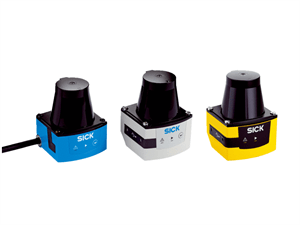
In AGV systems, laser collision sensors serve as “safety sentinels,” detecting obstacles and triggering evasive actions to protect personnel and equipment. Their selection and deployment determine AGV adaptability and reliability in complex environments. This guide examines laser sensor principles, performance metrics, and selection strategies.


Core Functions: The Intelligent Safety Barrier

Non-Contact Precision Detection

Time-of-Flight (ToF) technology: Measures obstacle distance with ±1cm–±5cm accuracy.

Multi-zone protection: Configurable “warning” (AGV deceleration) and “danger” (emergency stop) zones.


Environmental Resilience

Immune to ambient light/temperature; operates in dust/oil (IP67 rated).

Explosion-proof versions available for hazardous areas (chemical/oil facilities).


Key Technical Parameters

1.Detection Performance

Scanning Angle: 270° (single-side coverage) or 360° (full protection).

Detection Range: ≥4m @ 10% reflectivity (dark objects); 10–20m @ 90% reflectivity.

Response Speed: ≥25Hz refresh rate; <100ms emergency stop reaction.


2.Smart Features

16 configurable safety zones for different AGV movements (forward/sideways/rotation).

Dual-purpose obstacle avoidance and navigation via point cloud data.


Precision Selection: Four Dimensions

1.Environmental Complexity

Indoor warehouses: 270° scanner (e.g., AS-33C); ≤1° resolution; ≥8m range @ 10% reflectivity.

Outdoor/hazard zones: Explosion-proof + wide-temperature (-30°C–70°C) models.

Multi-AGV fleets: CAN/RS485 support for synchronized collision avoidance.


2.Performance-Cost Balance

Scenario

Solution

Cost-Saving Tip

Light indoor AGVs

Single 270° side-mounted sensor

Reuse SLAM point cloud data

Heavy forklift AGVs

Dual 360° diagonal sensors

Add physical bumpers as backup

Dynamic environments

High-speed model (≥50Hz)

Multi-zone networking


3.Reliability Standards

IP67 dust/water resistance; ≥5Grms vibration tolerance.

100,000-hour MTBF for 24/7 operation.


4.Integration Simplicity

Plug-and-play with AGV controllers (CANopen/EtherCAT).

Compact design (e.g., 50×72mm) for top/bottom mounting.


Critical Selection Avoidances

Verify real-world performance: Demand third-party test reports for low-reflectivity (10%) scenarios.

Reject closed protocols: Prioritize MODBUS/CAN over proprietary systems to reduce integration costs.

Simulate harsh conditions: Test under strong light/high-reflectivity floors to prevent false triggers.


Building Collision-Free Logistics

Laser sensor selection underpins AGV safety. From cost-effective single-sensor setups for compact robots to multi-sensor fusion for smart factories, scenario-aligned solutions maximize protection.


Seeking High-Precision AGV Collision Sensors?
We provide full-scenario solutions:

Comprehensive Range: 270°/360° sensors; explosion-proof models (-30°C–70°C).

Smart Integration: Native CAN/EtherCAT/PROFINET support.


Customization:

Mounting adapters (bottom/side)

16-zone dynamic protection

Point cloud API for navigation


Lifecycle Support: Testing → diagnostics.


Equip Your AGVs with Intelligent Safety!
Contact our team for tailored solutions.


Core Value:
Scenario-Optimized Design – Solutions tailored to AGV mobility, reflectivity, obstacle types.
Industrial Durability – IP67 housing, 100k-hour MTBF, 50G shock resistance.
Open Ecosystem – Protocol SDKs and debugging tools for seamless integration.